Before You Drive Going-to-the-Sun Road
A little planning can make your drive much more enjoyable. Road access, parking, weather, and visitor requirements can change throughout the season, so make sure to check current Glacier National Park conditions before heading out.
Vehicle Restrictions
Because of the road’s narrow lanes, sharp curves, and rock overhangs, vehicle restrictions do apply.
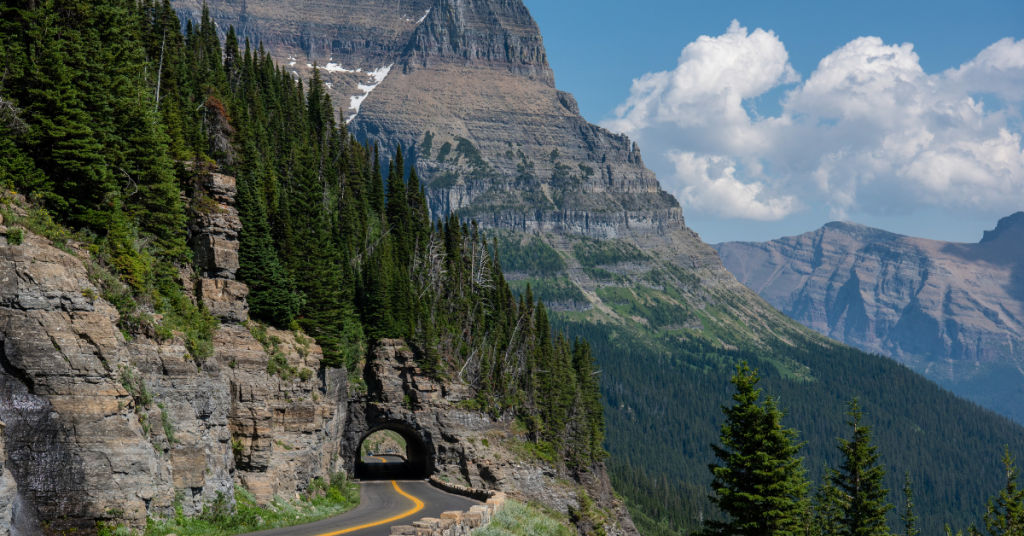
Vehicles and vehicle combinations longer than 21 feet or wider than 8 feet are prohibited between Avalanche Creek and Rising Sun. Vehicles over 10 feet tall may also have difficulty traveling west between Logan Pass and The Loop because of rock overhangs.
If you are traveling in an RV, camper, or larger vehicle, review the current National Park Service Going-to-the-Sun Road vehicle restrictions before starting your drive.
Do You Need a Reservation?
As of 2026, Glacier National Park does not require vehicle reservation to drive Going-to-the-Sun Road. However, visitors will still need the appropriate park entrance pass.
Before your trip, review current Logan Pass visitor information.
When Is Going-to-the-Sun Road Open?
The lower portions of Going-to-the-Sun Road are accessible for more of the year, but the alpine section over Logan Pass is seasonal.
There is no guaranteed annual opening date. Snowfall, plowing progress, weather, and road conditions determine when the full road opens and closes.
Check the current Going-to-the-Sun Road status before heading into the park.
What Is the Best Time to Drive Going-to-the-Sun Road?
An early start can make parking easier, especially if you plan to hike or stop at popular areas like Avalanche or Logan Pass.
Traffic becomes heavier as the day gets busier, so give yourself plenty of time and stay flexible. This is one drive where the journey is part of the experience.

Driving Going-to-the-Sun Road From West Glacier
Starting at the West Glacier Entrance takes you along Lake McDonald, into the alpine section of the park, and over Logan Pass before descending toward St. Mary.
Here are some of our favorite stops along the way.
Apgar Village
Apgar Village is one of the first major stops after entering Glacier National Park from West Glacier.
Located along Lake McDonald, Apgar offers food, shops, visitor services, rentals, and easy access to the lake. It’s a great place to grab something to eat, walk along the shoreline, or take in your first views before continuing up the road.
Learn more in our guide to Apgar Village and the Apgar Nature Center.

Lake McDonald
Going-to-the-Sun Road follows the shore of Lake McDonald, the largest lake in Glacier National Park.
There are several opportunities to stop and enjoy the lake as you continue toward the mountains. Lake McDonald Lodge is worth a quick visit for its historic architecture and lakeside setting.
For more planning tips, read our guide to Lake McDonald in Glacier National Park.
McDonald Creek and Avalanche Creek
As you continue beyond Lake McDonald, you’ll start seeing more waterfalls, cascades, and rushing mountain water along McDonald Creek.
The Avalanche area is another popular stop, especially if you want to add a hike. The Trail of the Cedars offers a shorter walk, while the Avalanche Lake Trail continues farther into the valley.
Parking here can be difficult during busy periods, so flexibility helps.
The Weeping Wall
As Going-to-the-Sun Road climbs toward Logan Pass, keep an eye out for the Weeping Wall.
Snowmelt and natural springs flow down the mountainside beside the road, creating one of the route’s most recognizable seasonal features. Water flow is generally strongest earlier in the summer.
Learn more in our guide to the Weeping Wall in Glacier National Park.
Big Bend
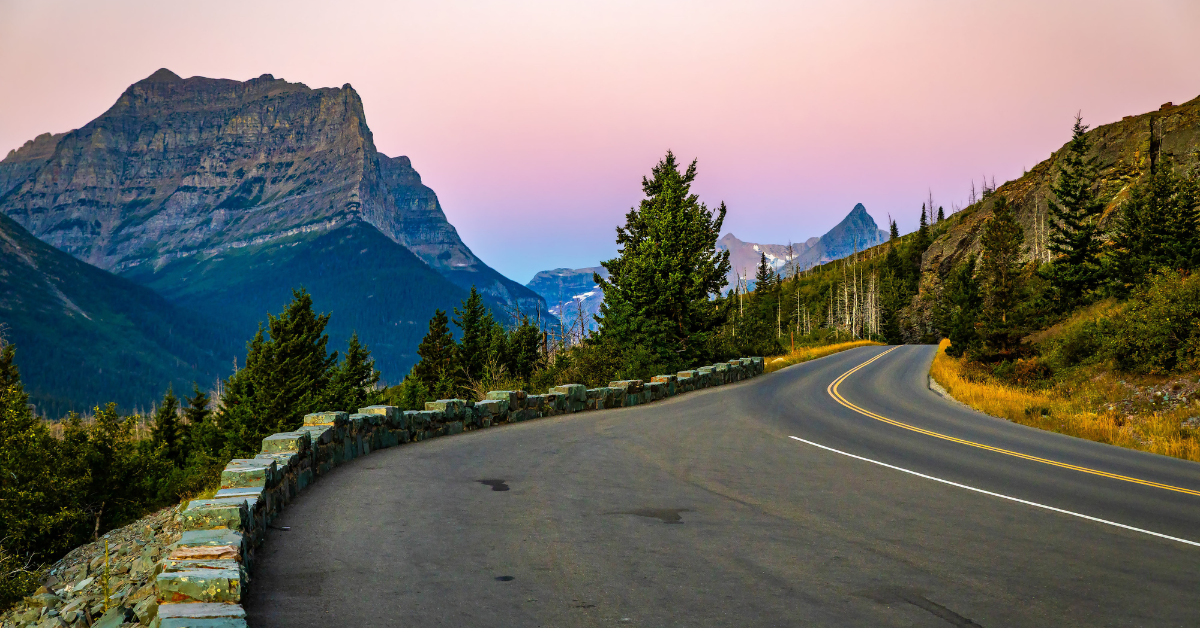
Big Bend is one of the most iconic viewpoints along Going-to-the-Sun Road.
The sweeping curve opens to expansive mountain and valley views, making it a popular photo stop. Use designated pullouts when available and expect plenty of other visitors stopping for the same view.
Logan Pass
At 6,646 feet, Logan Pass is the highest point on Going-to-the-Sun Road.
The visitor center is a great place to stop, stretch your legs, and learn more about the surrounding alpine landscape.
Parking is extremely limited during the summer. As of 2026, Logan Pass private vehicle parking is limited to three hours during peak season.
Before your visit, check out our Logan Pass visitor guide for more planning tips and review the currnet Logan Pass information from the parks service.
Hidden Lake Overlook
If you want to add a hike to your drive, Hidden Lake Overlook at Logan Pass is one of the most popular options.
The trail begins behind the visitor center and travels through open alpine terrain with mountain views and opportunities to spot wildlife. Conditions at this elevation can change quickly, so bring layers and check current trail conditions.
St. Mary Lake and the East Side
After crossing Logan Pass, the road begins descending toward St. Mary Lake and Glacier’s east side.
Wild Goose Island is one of the most photographed views along this stretch. Jackson Glacier Overlook is also worth watching for and offers one of the best opportunities to see a glacier directly from Going-to-the-Sun Road.
Continue east and you’ll eventually reach the St. Mary Entrance, completing the full drive of Going-to-the-Sun Road.
How Long Does It Take to Drive Going-to-the-Sun Road?
Without stops, plan about two hours to drive the full Going-to-the-Sun Road.
For most visitors, a more realistic timeline is:
- Driving straight through: About 2 to 2.5 hours
- Drive with scenic stops: About 3 to 4 hours
- Stops plus a hike: Plan for half a day or longer
- Full sightseeing day: 5 to 8 hours depending on traffic, hikes, and parking
Try not to overschedule your day. Some of the best parts of the drive are the stops you did not necessarily plan for.
For current road access and planning information, visit the National Park Service Going-to-the-Sun Road guide.
Tips for Driving Going-to-the-Sun Road
A few simple preparations can make your first drive more enjoyable:
- Start early if you plan to hike. Parking can fill quickly at popular trailheads.
- Check current road conditions. Weather, construction, and closures can affect access to the park. Always check before you go.
- Know your vehicle size. Larger RVs and vehicles may not meet road restrictions.
- Fill your gas tank before entering the park.
- Bring layers. Logan Pass can be much cooler than the lower valleys, so it is always best to come prepared!
- Pack water and snacks. Services are limited past Apgar Village, so insure you are prepared.
- Use designated pullouts and parking areas.
- Expect slow traffic. This is a scenic mountain road, not a highway.
- Give wildlife plenty of space.
Most importantly, leave some flexibility in your itinerary for time to explore!
Where to Stay Near the West Glacier Entrance
Staying near West Glacier makes it easier to get an early start and spend less time driving to and from the park.
Coram is located just outside West Glacier and offers convenient access to the park along with restaurants, lodging, and activities nearby.
Explore our lodging near West Glacier National Park to find a home base for your Glacier trip.
Plan Your Going-to-the-Sun Road Adventure
Driving Going-to-the-Sun Road is more than a way to get from one side of Glacier National Park to the other. It’s one of the park’s signature experiences.
Take your time, stop at the viewpoints that catch your eye, and give yourself room to adjust your plans along the way.
When you’re ready to spend a little time outside the car, Glacier Highline offers a different kind of adventure just outside West Glacier, with ropes courses, zip lining, climbing, and more.
Explore Glacier Highline and start planning your West Glacier adventure.